The Mother Goddess of the Earth
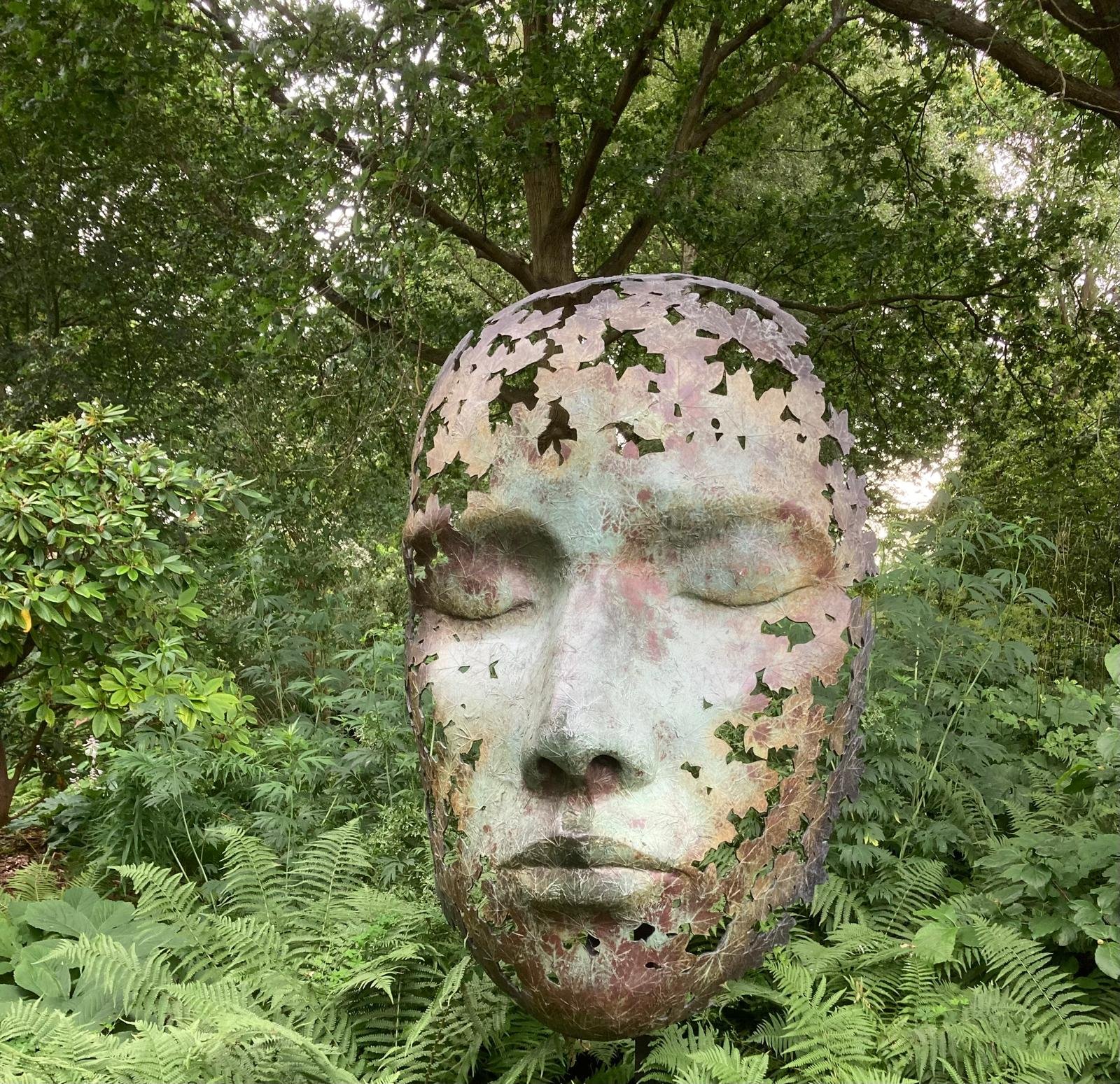
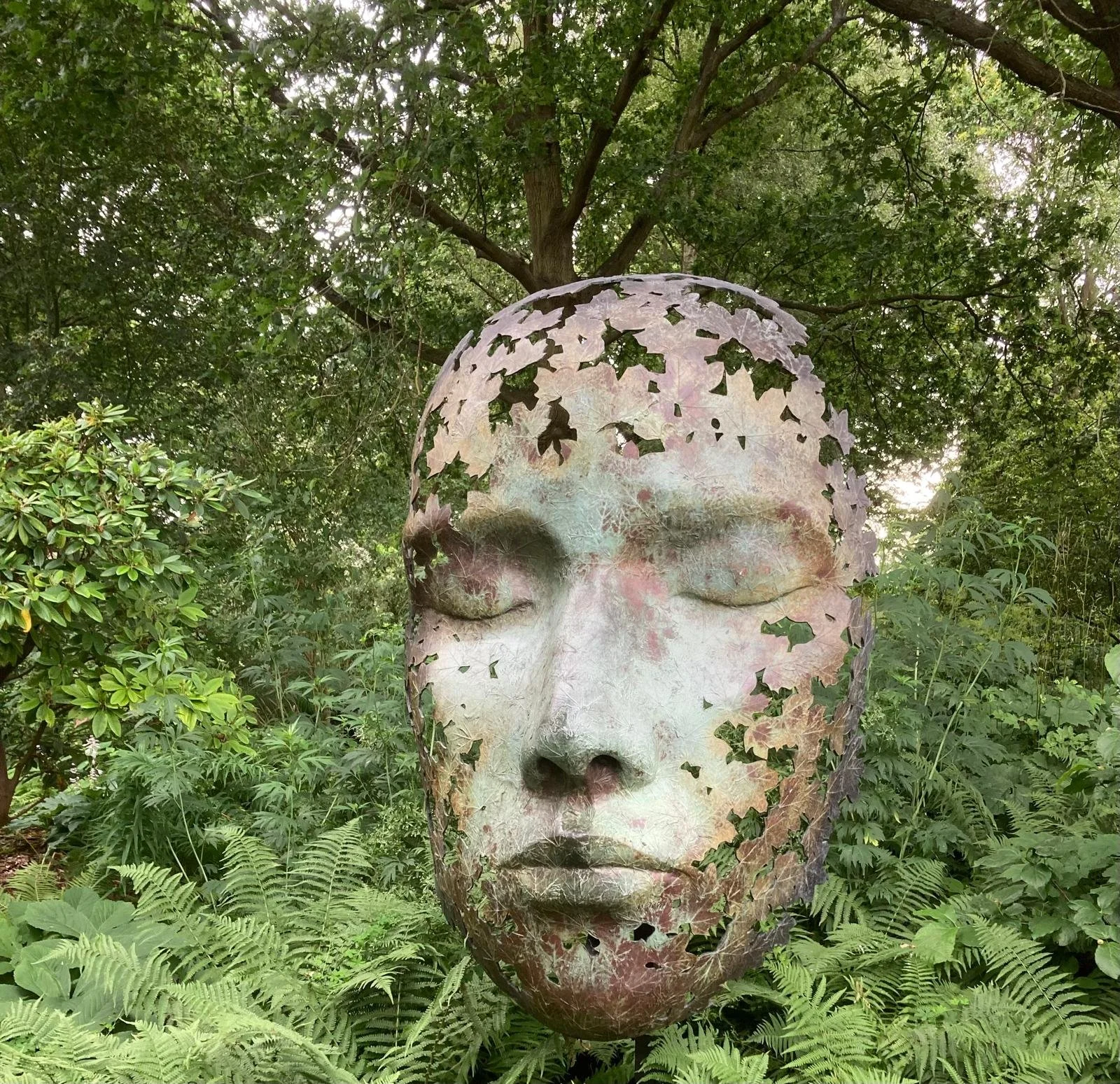
Earth mother Gaia, Kew Gardens.
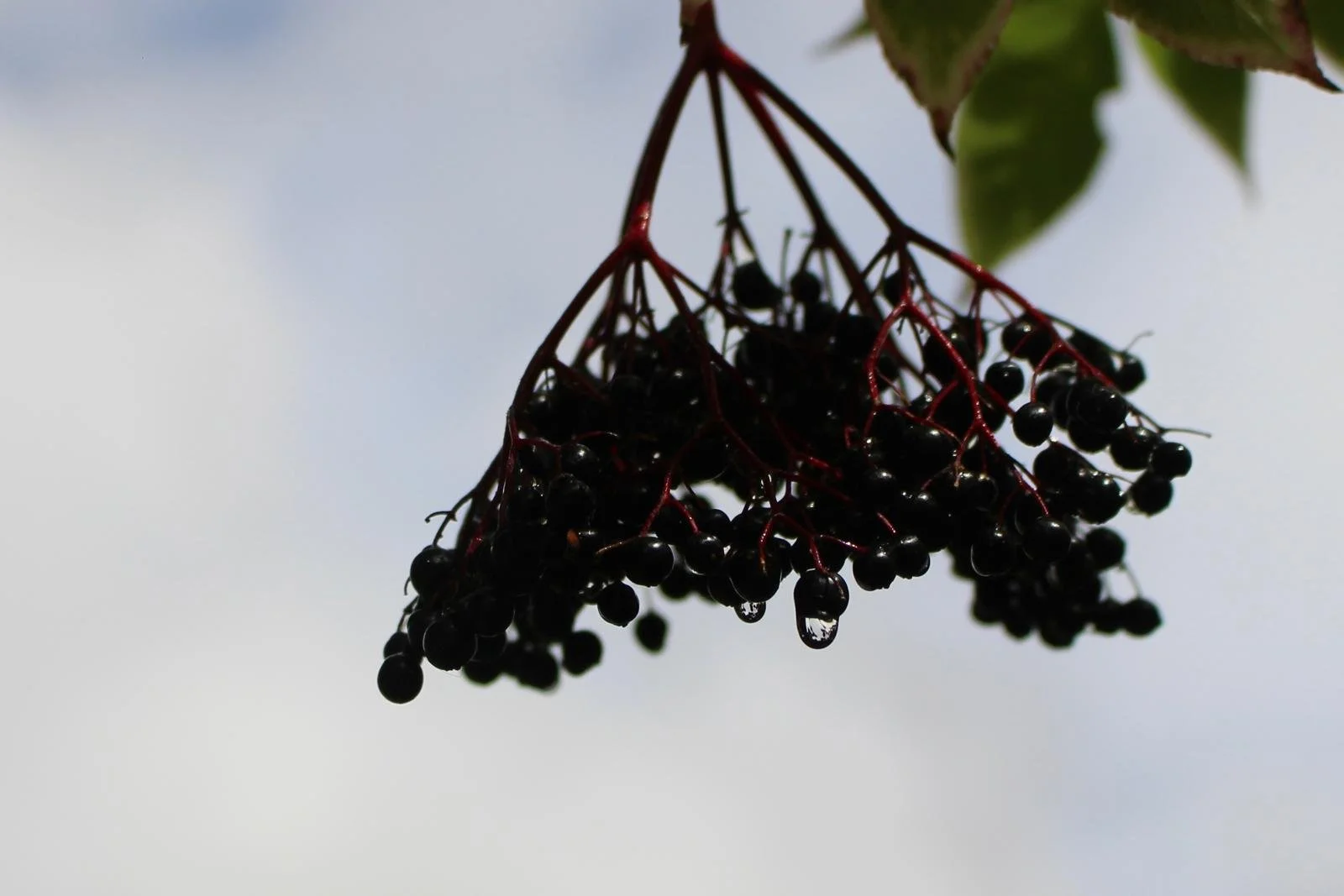
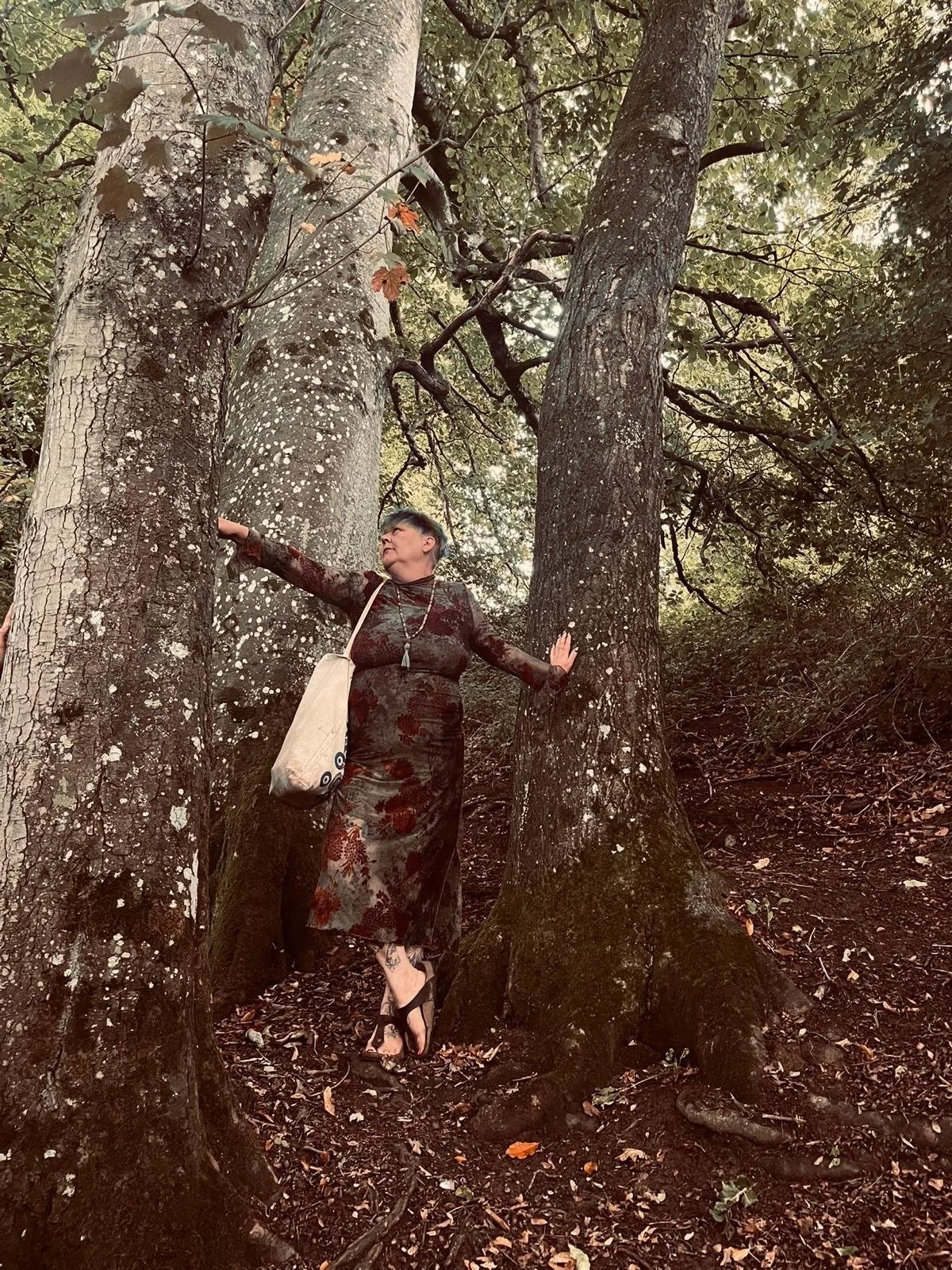
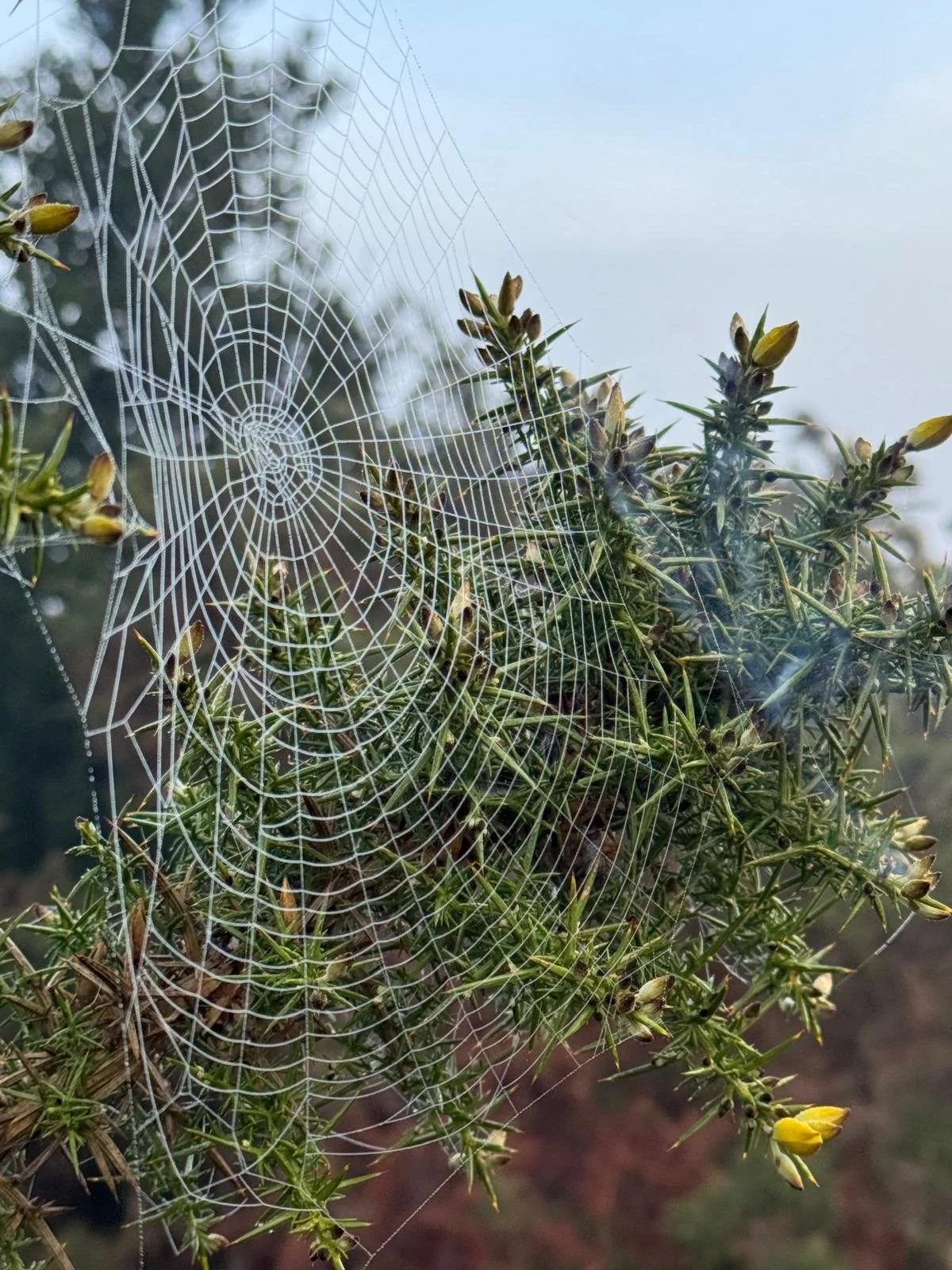
Unsurprisingly this is one of my favourite seasons. We are finally leaving the stillness of summer behind and entering the dark months. The gold of the sunrises capturing the russets of the leaves, the water caught on the fine silk of a spider's web, and the crunch of fallen leaves beneath our feet.
This is the season of the Great Mother Goddess of the Earth, grounding us, supporting each of our steps and providing stability as we wind down the Wheel of the Year.
Gaia, Earliest of the Earth Mothers
Gaia is probably the best known of the Mother Earth Goddesses. She is one of the earliest recorded Goddesses, adopted by the Greco-Romans from earlier civilisations. She is still used as a personification of earth and is associated with motherhood, nurturing, and nature. In Greco-Roman myth she is consort to Uranus and had many children, including the Titans, Cyclopes and the hundred-handed Hecatoncheires. Uranus imprisoned these children in her belly, causing her great pain. Finally, having endured enough of his cruelty, she conspired with her youngest Titan, Cronus (Zeus's father), and Uranus was castrated with a pair of shears, separating the earth from the sky and leading to the rise of the Titans.
Banbha, Spirit of Ireland
Banbha is an ancient Irish Matron Goddess who represents sovereignty, fertility and farming. She is seen as the spirit of the land; her name continued to be used as a poetic name for Ireland. She is one of three sisters who all represent aspects of Ireland, not just its landscape but also its spirituality. She was a powerful matriarch who used her power to protect and defend her people. When the Milesians (Celts) arrived, all three sisters welcomed them and asked that Ireland be named after them. Her sister Ériu won, giving us the modern name Éire. The role of the three sisters is central to Irish mythology. Banbha is recognised as the resilience and endurance of both the land and the people, who have withstood many invasions over time.
In Tarot, the Empress card is the archetypal portrayal of the Great Earth Mother. She is often depicted as pregnant or relaxing, surrounded by a fertile and abundant landscape full of the gifts of nature. They both represent the “creatrix” energy of birthing new creative ideas or projects and nurture all those that are within their domain. This card is ruled by Venus the planet of love, creativity, beauty and our physical senses. The pomegranates that commonly decorate her dress are the almost universal symbol of fertility, harvest and the womb, much like the familiar images we see of Gaia with the world as her swollen belly.
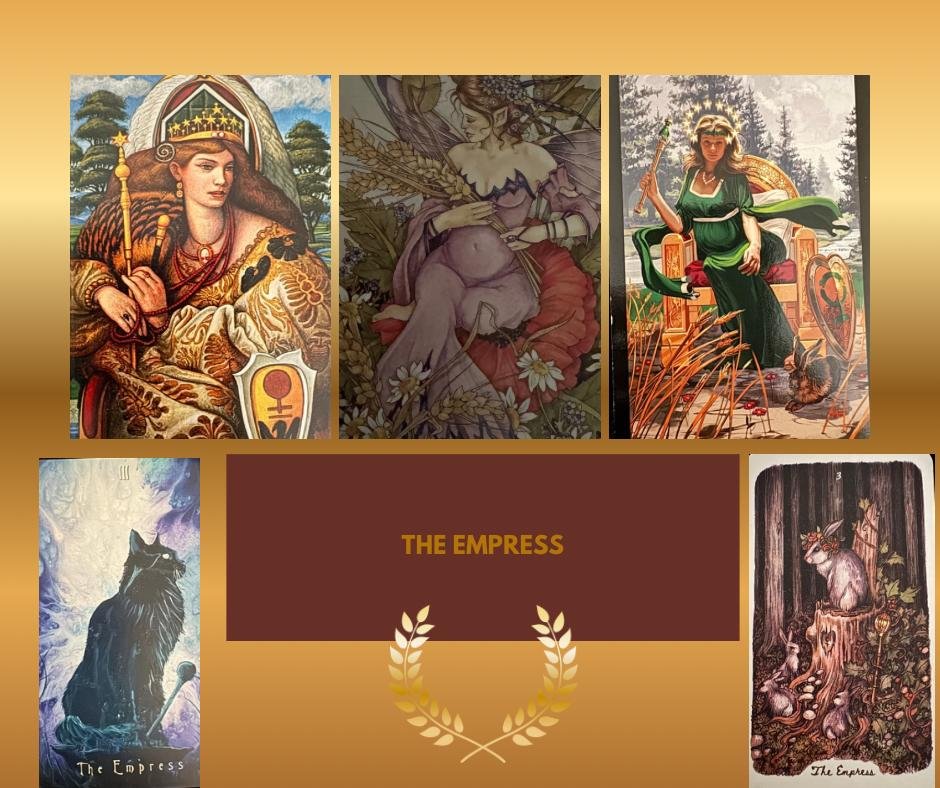
A selection from my collection of tarot cards depicting The Empress