The Heron: Folklore, Myth and Legend
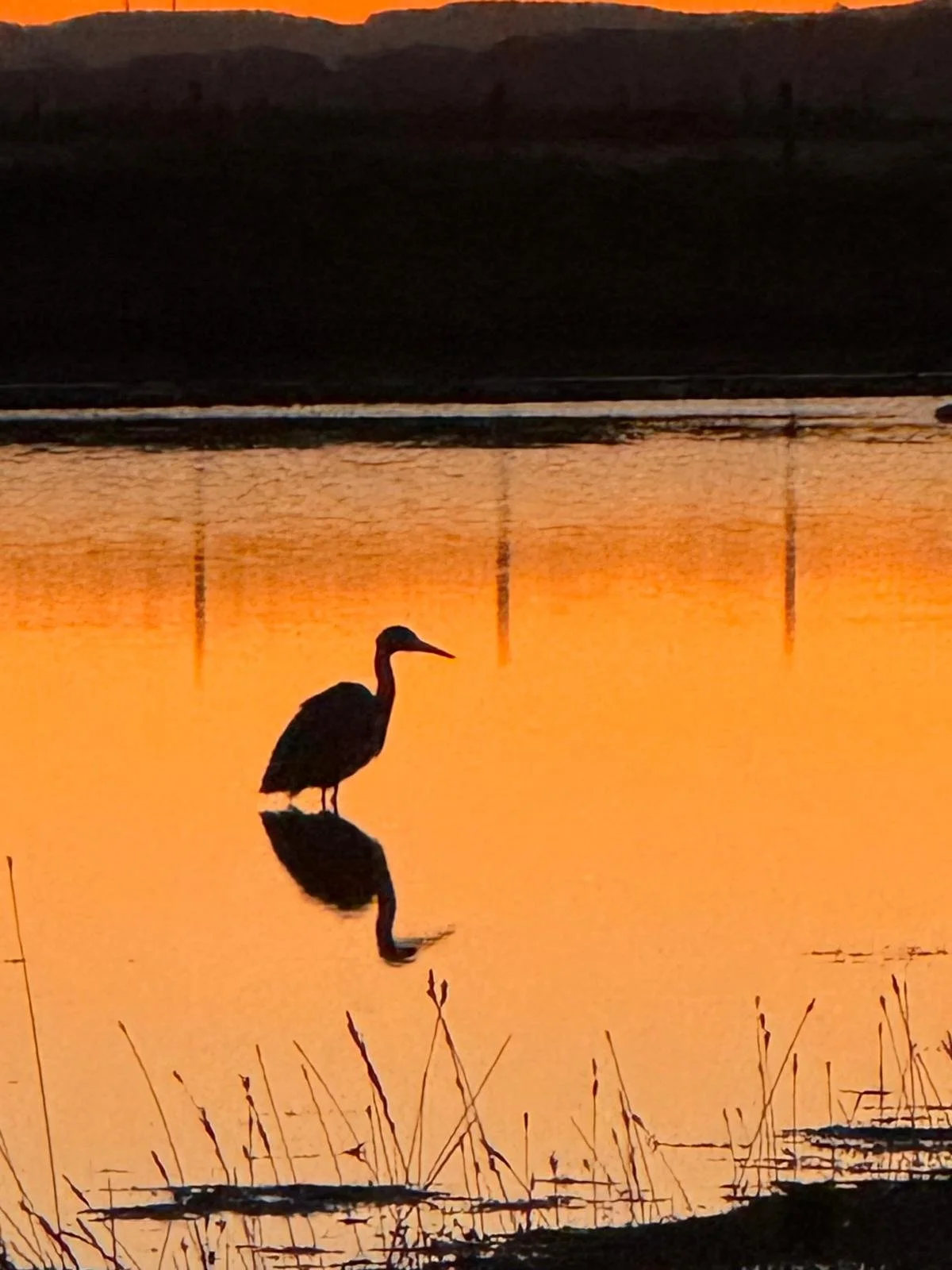
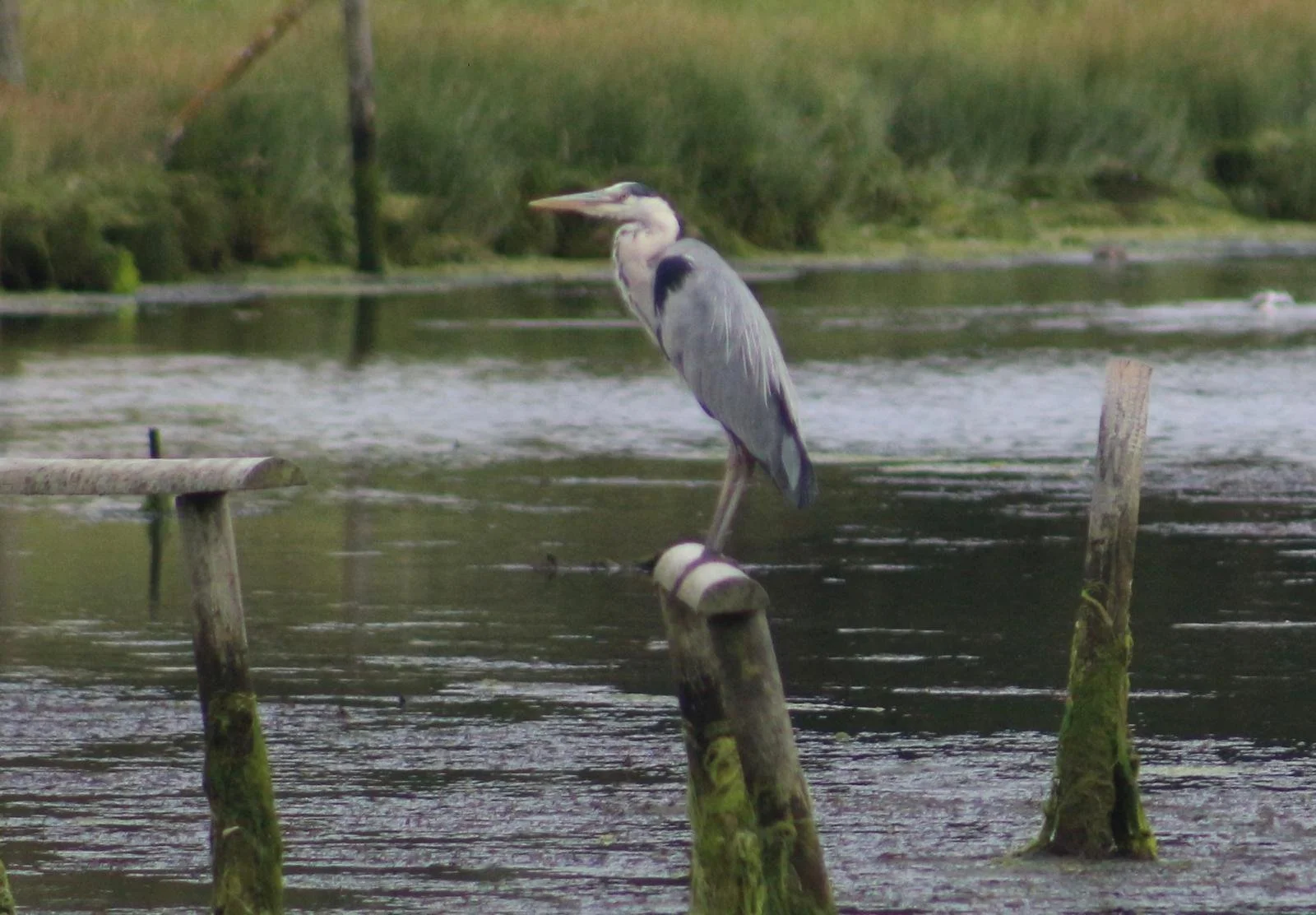
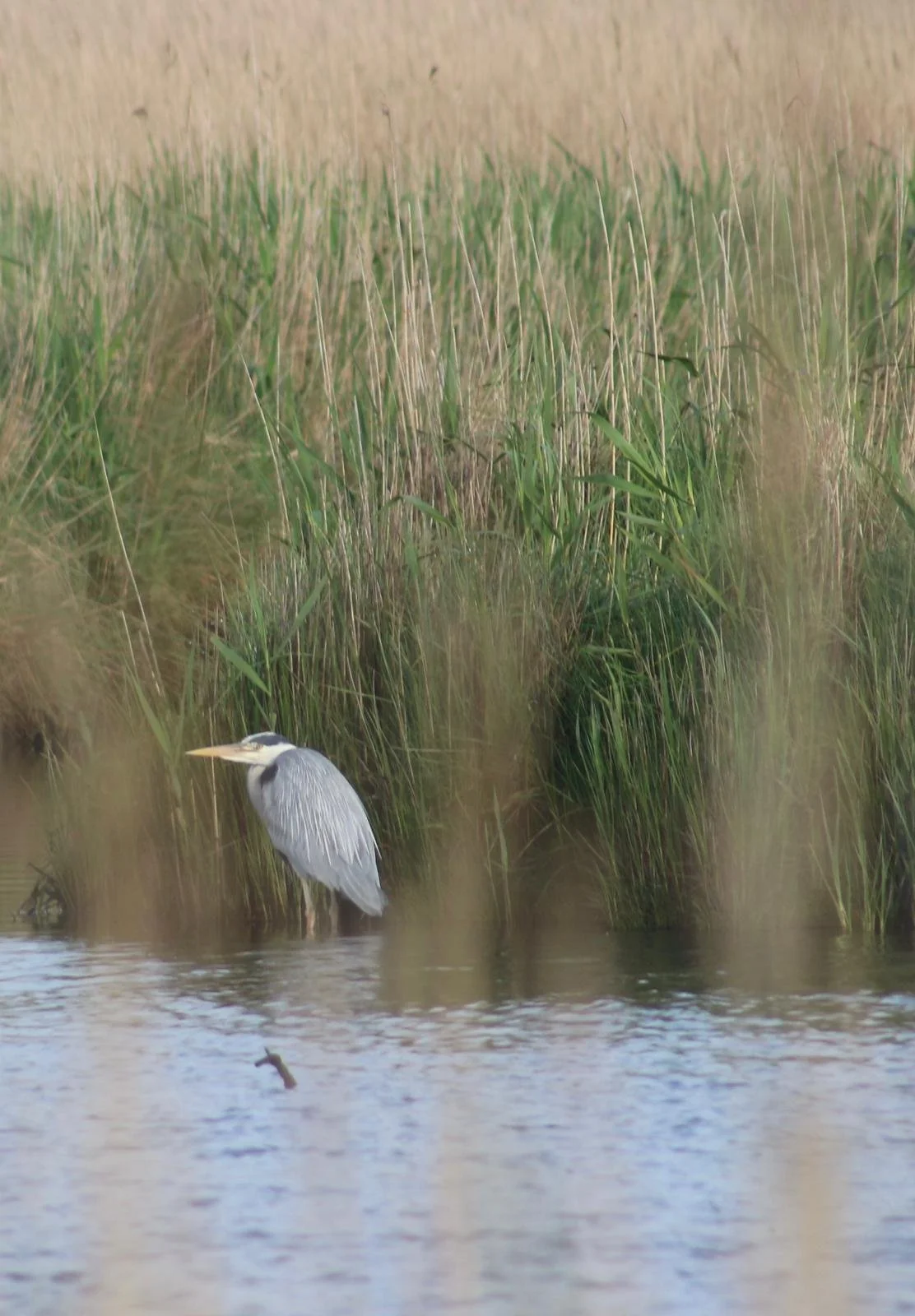
Heron, waiting patiently at the waters edge.
Each year as we move into the season of Litha ‘Midsummer’ - the longest day and shortest night, the veil thins between the worlds. In ancient times this was celebrated with bonfires, feasting and storytelling, as the fae and the spirits of our ancestors drew close.
In the tradition of Avalon, this is the season of Domnu - sister of Danu, Goddess of the waters. She is the depths of the sea, the bubbling spring, the still pool and the wide river. Her power is water itself: our emotions, our memories, our intuition and the deep knowledge of the ancestors. Water is infinite, the same water encircles the world for eternity.
Each season brings its own creatures, and at Litha these include the dolphins, whales and mermaids of the deep ocean, the wise salmon and the one I shall focus on today: the Heron.
As a tarot reader, ceremonial practitioner and Sister of Avalon training on the Priestess of Avalon path, I find the creatures and energies of each season woven naturally into my practice throughout the year.
It is the Heron I wish to focus on today..
Ancient Beliefs and Folk Traditions
Herons were regarded as symbols of patience, prosperity and cunning. Like many birds that move between the surface and the depths of the water, they were associated with messages from the Otherworld and from the Goddess.
One of the oldest folk beliefs was that fishermen would carry a dried Heron's foot around their neck or in their pocket, believing it possessed magnetic properties that would attract fish.
Herons were regarded as symbols of patience, prosperity and cunning. Like many birds that move between the surface and the depths of the water, they were associated with messages from the Otherworld and from the Goddess.
The Heron in Greek Mythology
This connection is clearly demonstrated in Homer's Iliad, where Athena sends a Heron to encourage the heroes Odysseus and Diomedes on a secret and dangerous mission.
The two men cannot see the Heron, but hearing its call reassures them that Athena is present and offering her support. They pray to her, and in return she blesses their mission and helps ensure its success.
Sacred Bird and Royal Feast
While the ancient Greeks held the Heron sacred and considered it taboo to eat its flesh, attitudes changed during the Middle Ages, when it became a delicacy served at noble banquets.
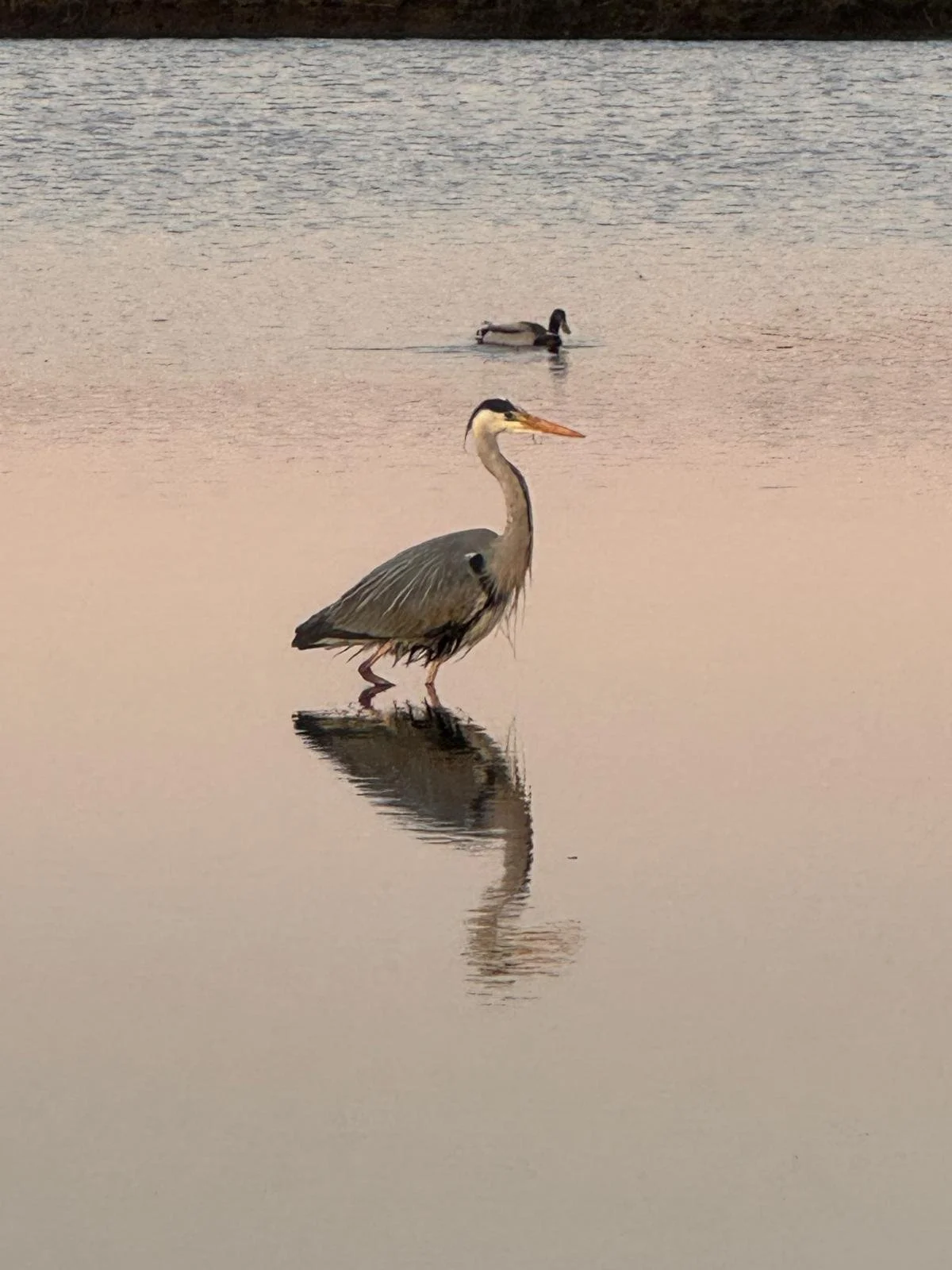
When I watch a Heron standing silently by the water's edge, I am always reminded of patience and trust. The Heron does not rush. It waits, observes and acts only when the moment is right.
A note on these Photographs…

Most mornings, I head out at first light — before the world is fully awake- to walk, to breathe, and to be with nature. I'm not looking for anything in particular. I'm simply listening.
Sometimes a heron is standing exactly where I need to see it. Sometimes it's a feather on the path, or the way the light catches the water. These are the moments I believe the Goddess speaks — not in words, but in presence. I take a photograph, and later I sit with it, the way I sit with a tarot card, and ask what message is here for me, and for those who walk this path alongside me.
The photographs in this post are mine, taken on these early morning walks, in the moments the Heron chose to show itself.
If you'd like to untangle more of these threads, of Domnu and Danu, the British and Greek goddesses, and the pantheons we so often confuse with one another, you might enjoy my post on Time, where I map out how it all fits together.