
Time.
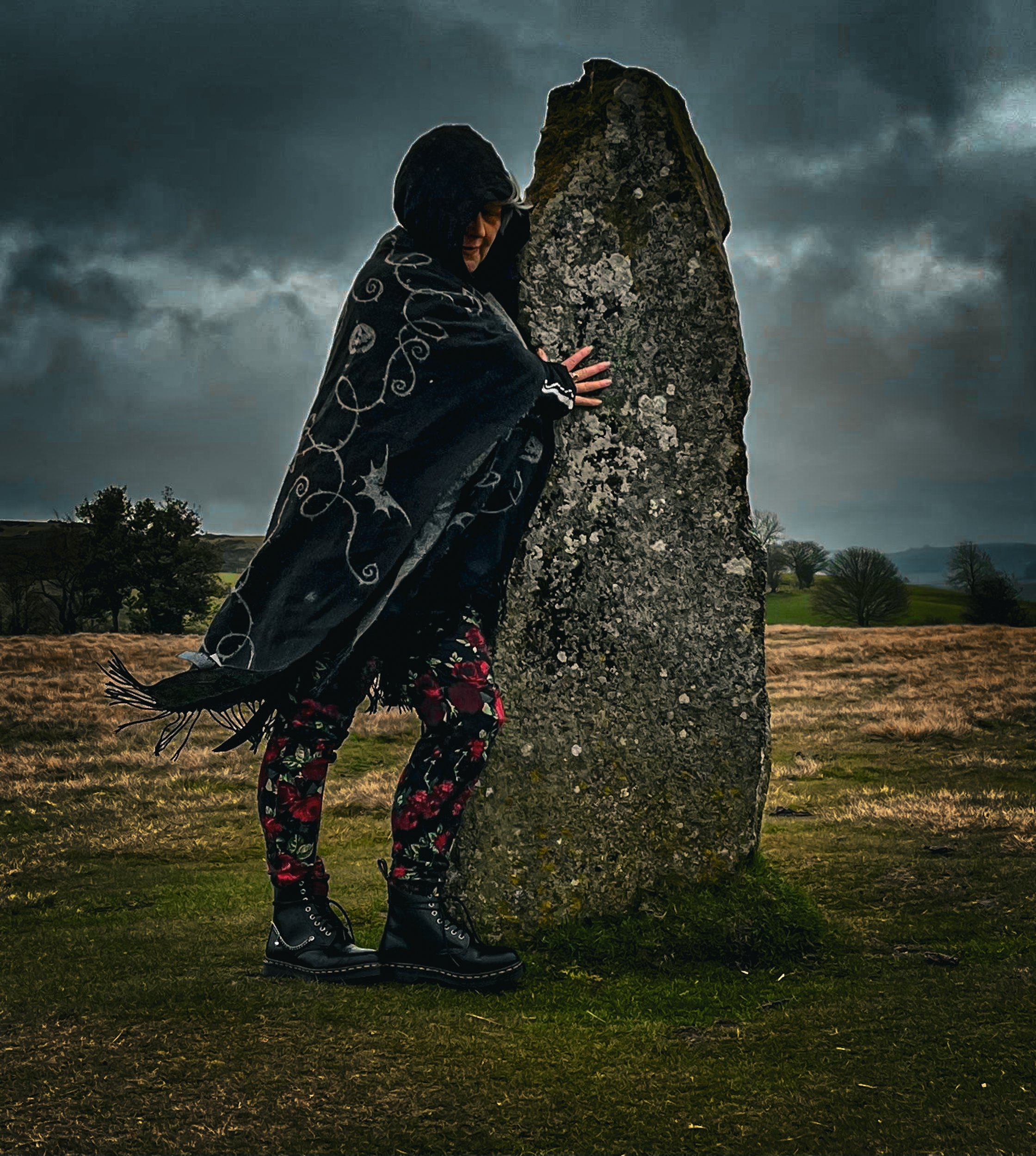
Saxon Su, Rock Bothering
A Surprising Starting Point
I start this blog with an interesting and little-known fact that I think brings timelines into perspective. All of the original doors at Oxford University in England are older than the foundation of the Aztec Empire. Why does that matter, you ask yourself? It is because, to understand our journey, we need to understand how each component fits together, so we do not confuse ourselves by superimposing our modern timelines on the stories of our ancestors. By remembering that the ancient Egyptians lasted for many hundreds of years, with different eras and epochs, it makes more sense that they have what appears to be a confused pantheon, with, for example, five different versions of the God of the Sun. This is because their beliefs changed and evolved over the centuries.
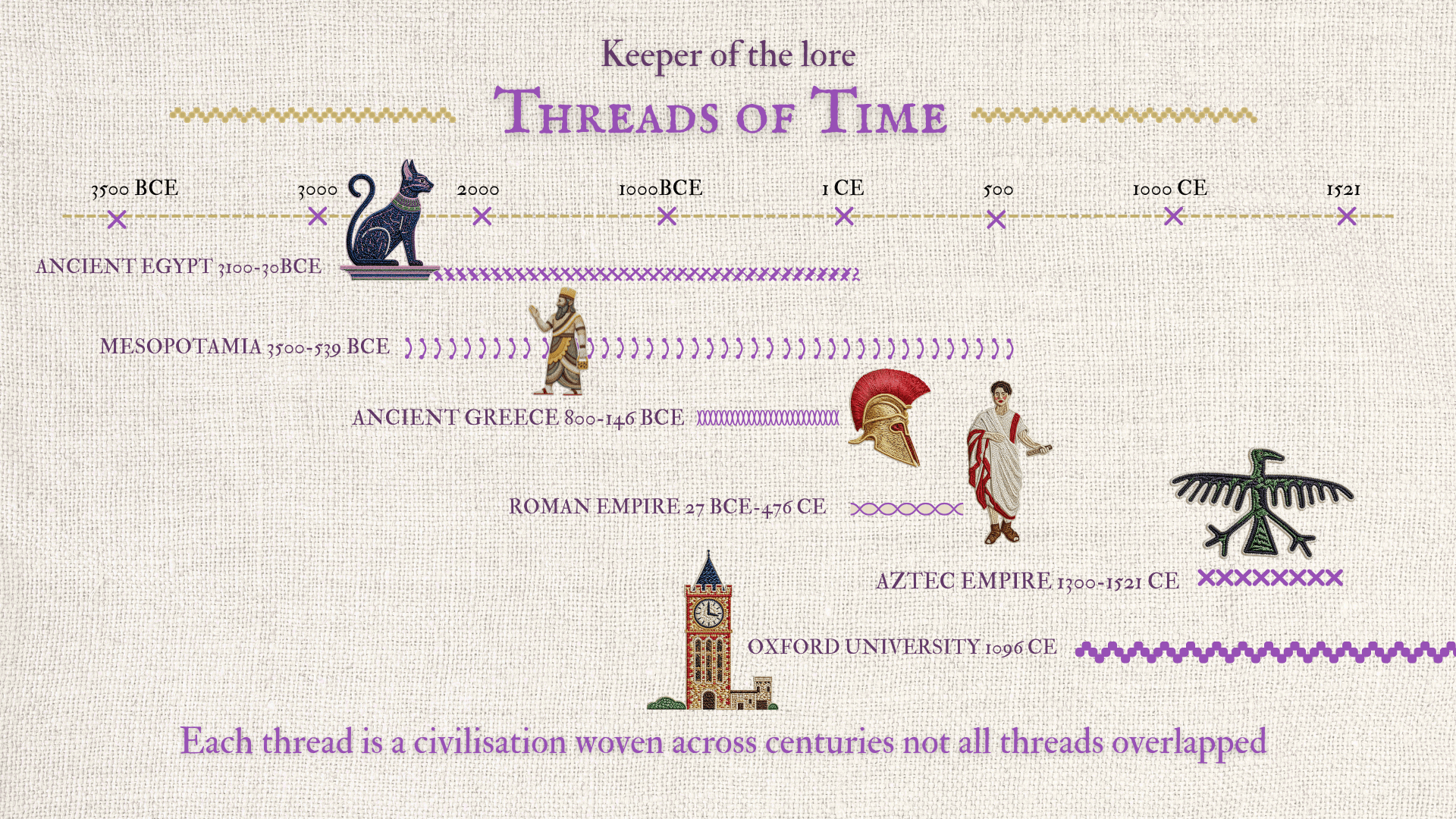
Disentangling time.
In our very modern quest to find the answers, we look to ancient civilisations for enlightenment. However, we then intermingle the stories, jumble the timelines, and view them from the fast pace of modern life. If we want these stories to really tell us what we are looking for, we need to view them from the perspective of the people who were living them. We need to remember that travel was not easy, we did not have the internet, and, in fact, many of these civilisations never met, did not overlap in timescale, and often their stories developed over vast periods of time. I am building a timeline to demonstrate how this would appear pictorially, so it is easier for people to understand and disentangle our story as it emerged, evolved, and transformed over time.
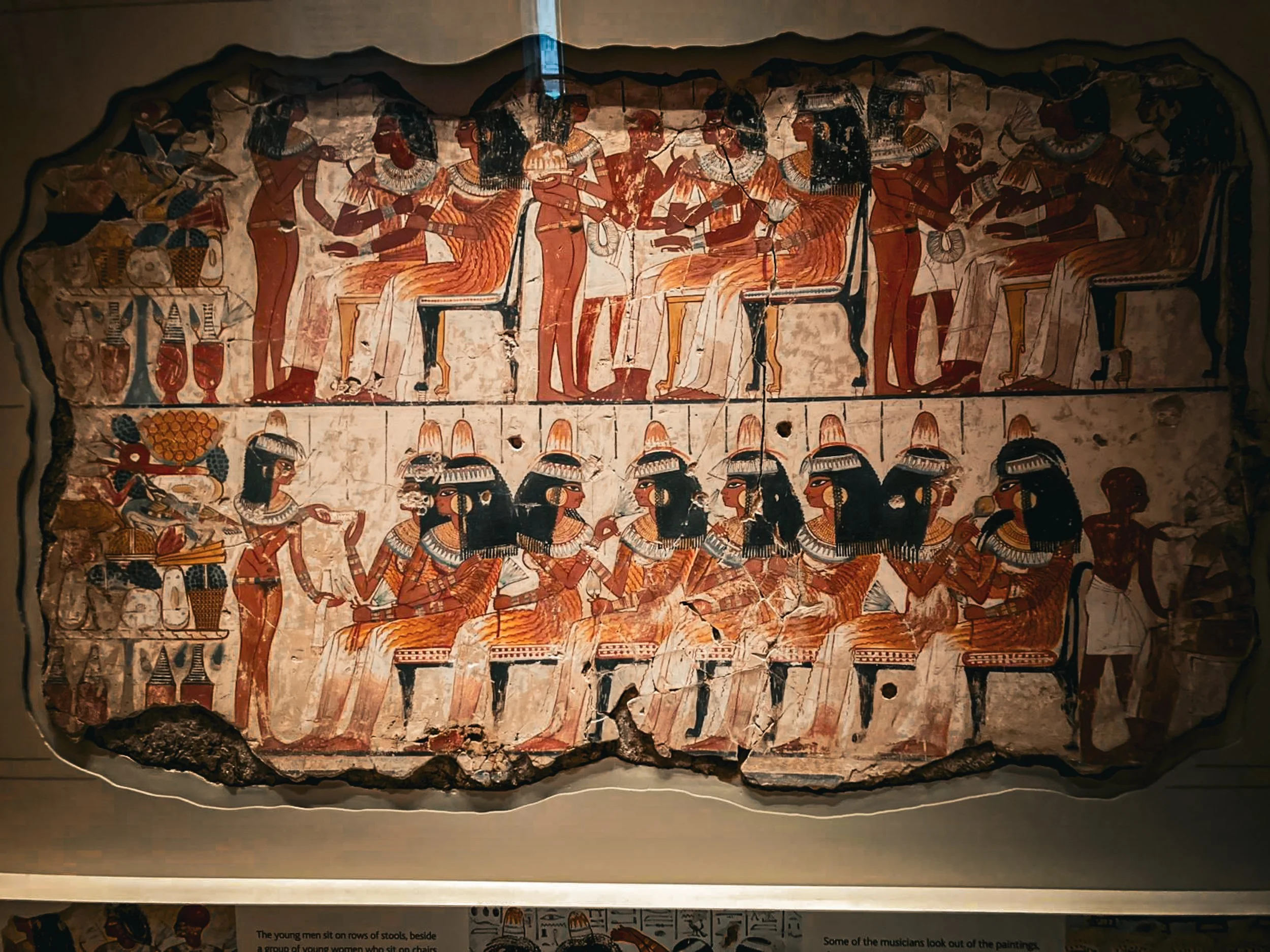
Ancient Egypt. Feasting and making music
Why Holy Days Align Across Religions
One of the most common misconceptions is that people used the same calendar as us, and so we decide that other religions stole their sabbaths and festivals from the pagans. This is not so. At the time when all the religious texts were written, the world used various lunar calendars, and so holy days overlapped. There is a close correlation between festival dates because everyone was using solstices and full moons as key points of the year. In the West, we only introduced the Gregorian calendar in 1753 in the U.K. and its colonies, so not that long ago at all! This is why so many religious festivals move across the year, as they are still using lunar calendars to set the dates, e.g. Passover, Easter, and Diwali.
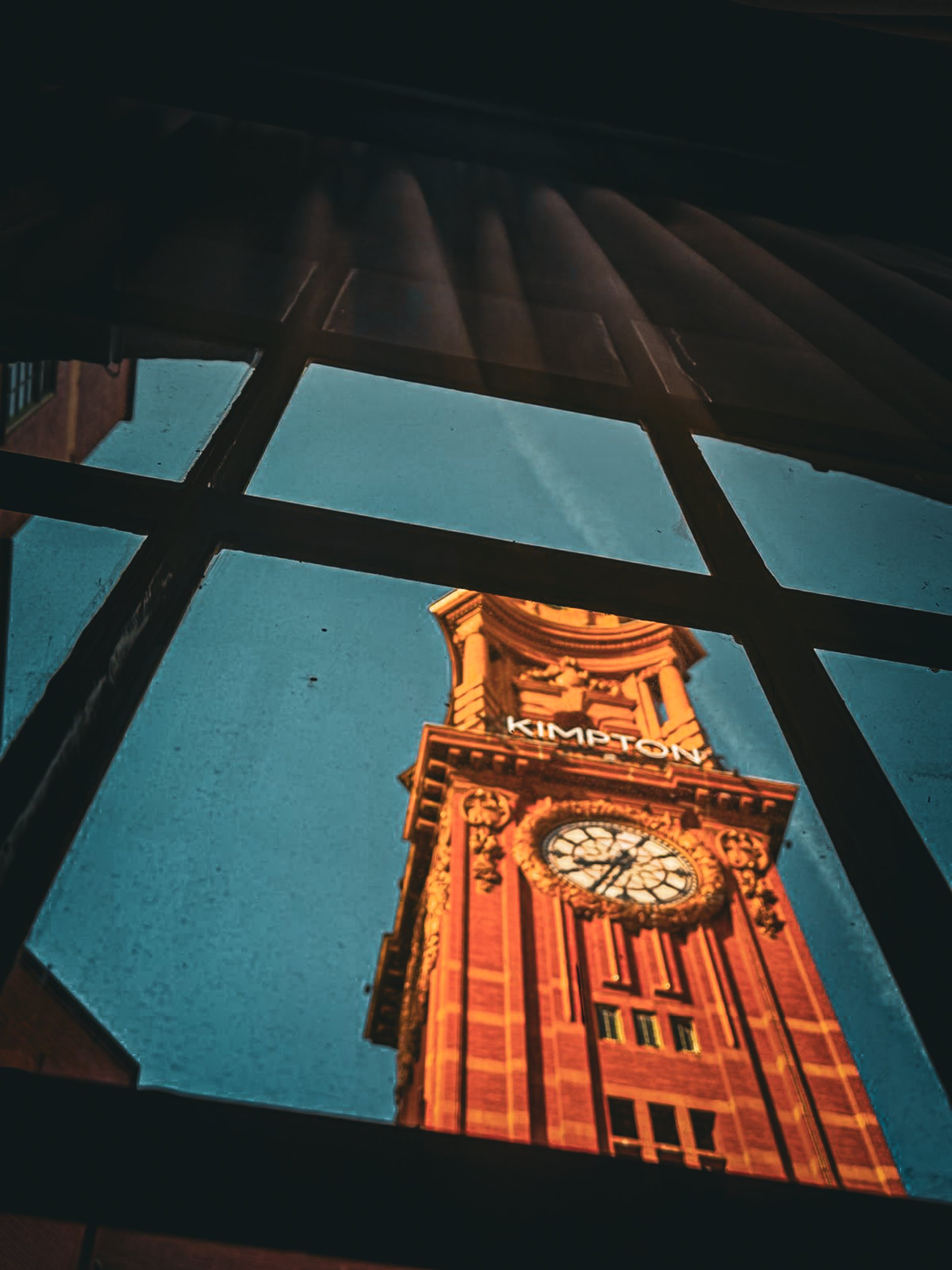
Oxford University doors are older than the Aztecs.
Time Itself Was Local.
Even more interestingly to me is that Greenwich mean time was only introduced in 1884 by the Great Western railway to ensure the trains ran on a timetable. Prior to that each area ran on its own time frame — they were closely linked but each part of even the UK had its own time measure, based on either the village church or the local sundial or maybe even the nearest monolith.
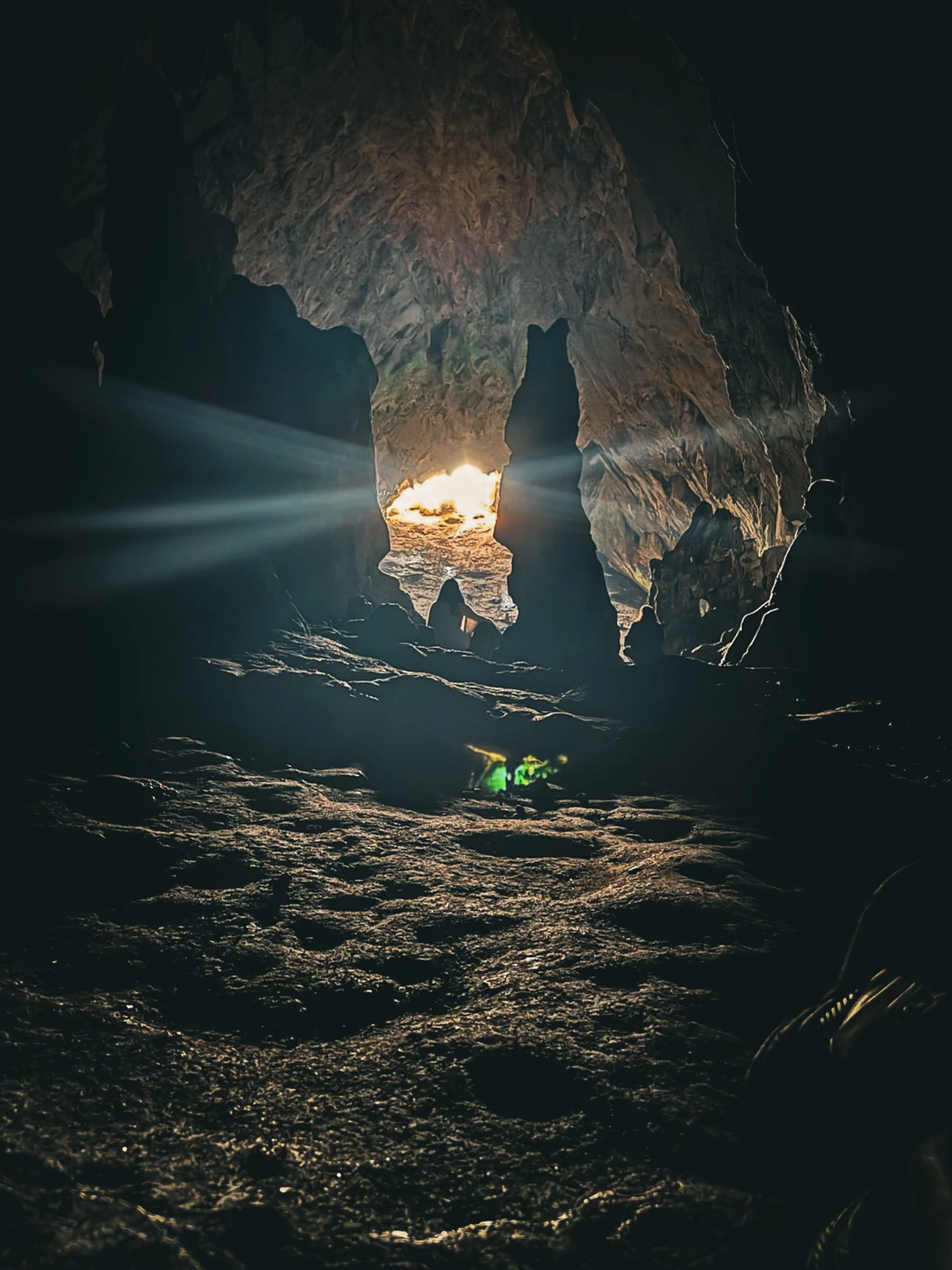
Journey into the deep through folklore, myth and legend
Where We’re Going From Here…
With my storytelling of folklore, myth, and legend, I hope to unravel our journey to this point. I will explain the goddess stories, including the messages that they bring us today and how we can work with each goddess to help bring us enlightenment. I use the Tarot as a tool for us to travel deep within ourselves to find our messages about how we live, understand ourselves, and strive to define our greatest good. We remain a village, with each individual bringing their own unique talents and skills, each one supporting the other to find their path and support the community.
Tarot Readings
If Su’s way of looking at the deeper story resonates with you, a personal Tarot reading can help you find where your own thread begins. Book a reading
Tarot Lessons
Want to learn to use the Tarot as Su does — as a tool for travelling inward? Her lessons will show you how.
